How Grass-Fed Milk Impacts Ice Cream Quality — Taste, Texture, and Nutrition Explained
Think about the best scoop of ice cream you've ever had. It was so good, you were still thinking about it days later. Chances are, you didn't think much about why it was so good — you just knew it was different. Creamier. Richer.
Here's the thing: Great ice cream starts with great milk.
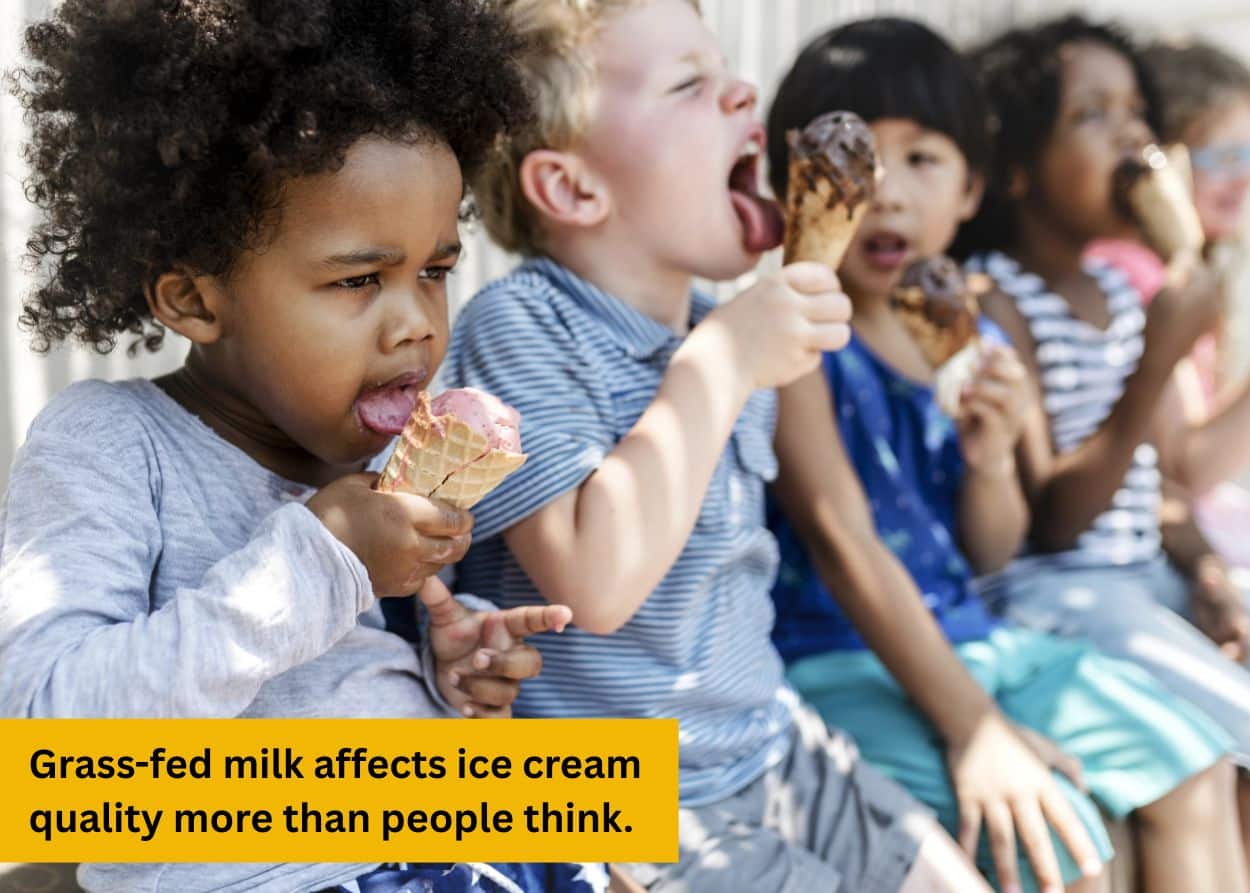
Grass-fed milk impacts ice cream quality more than most people realize. Most store-bought ice creams use conventional dairy from cows that may never set hoof on a pasture. What you taste (or don't taste) is a direct result of the difference in quality.
At Lapp Valley Farm in Gordonville, PA, we've been doing it differently since 1975. Our Jersey cow herd grazes locally, and the milk those cows produce is the foundation of every scoop we serve. The difference shows up in the flavor, texture, and even the nutrition of our ice cream.
So what exactly changes when you start with better milk? Here’s the scoop!






TL;DR - How Grass-Fed Milk Impacts Ice Cream Quality
- Not all ice cream is created equal — and the difference starts with the milk.
- Grass-fed cows produce milk with more butterfat, more protein, and a better nutritional profile than conventionally raised cows.
- Higher butterfat means richer flavor, creamier texture, and smaller ice crystals — all the things that make a great scoop.
- Grass-fed milk has up to 147% more omega-3s and 125% more CLA than conventional milk, making it a more nutritious base ingredient.
- Jersey cows, like those raised at Lapp Valley Farm, are known for producing some of the richest milk available — averaging 4.5–5.5% butterfat compared to 3.5–4% in Holstein milk.
What Is Grass-Fed Milk, Exactly?
Before we get into taste and texture, it helps to understand what separates grass-fed dairy from conventional dairy.
Grass-fed cows eat what cows were meant to eat — fresh grass, pasture plants, and hay. Their diet is based on foraging rather than on grain-heavy rations. Conventional dairy operations, by contrast, often rely on feed mixes that are heavy in corn and other grains. More than 90% of U.S. dairy cows are managed conventionally, meaning grain-based diets are the norm — not the exception.
Here's where it gets interesting.
What a cow eats directly shapes the composition of her milk. The fat profile, the protein content, the vitamin levels — all of it is tied to diet. And since ice cream is essentially a carefully crafted combination of milk, cream, sugar, and flavoring, the quality of the milk determines the quality of the ice cream.
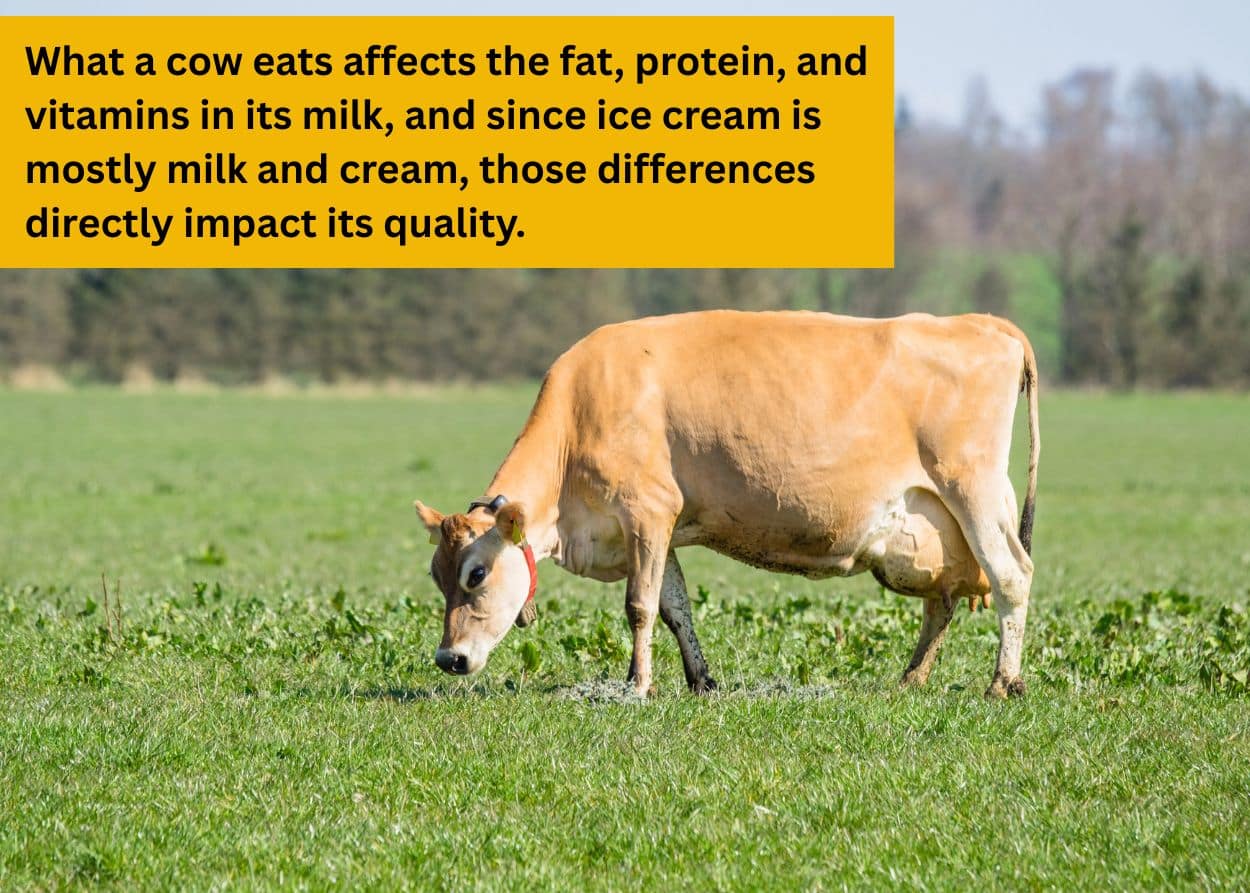
Jersey cows, the breed raised at Lapp Valley Farm, are known for producing milk with significantly higher butterfat and protein content than the more common Holstein breed. While Holstein milk averages around 3.5–4% butterfat, Jersey milk regularly reaches 4.5–5.5%. That difference matters a lot when you're making ice cream.
2 Ways Grass-Fed Milk Changes the Flavor of Ice Cream
Flavor is the first thing most people notice. Grass-fed milk carries more complex, natural flavor.
Cows eating a diverse pasture diet produce milk with a richer fat composition. Because fat carries flavor, richer milk gives better flavor distribution and, as a result, tastier ice cream.
A few things that show up in the taste:
- Richer, fuller flavor: the fat in grass-fed dairy delivers a deeper, more satisfying taste than the neutral profile of conventional milk.
- A subtle, natural sweetness: pasture-raised cows produce milk described as slightly sweet and creamy, a quality that carries through into finished products.
So how does this work?
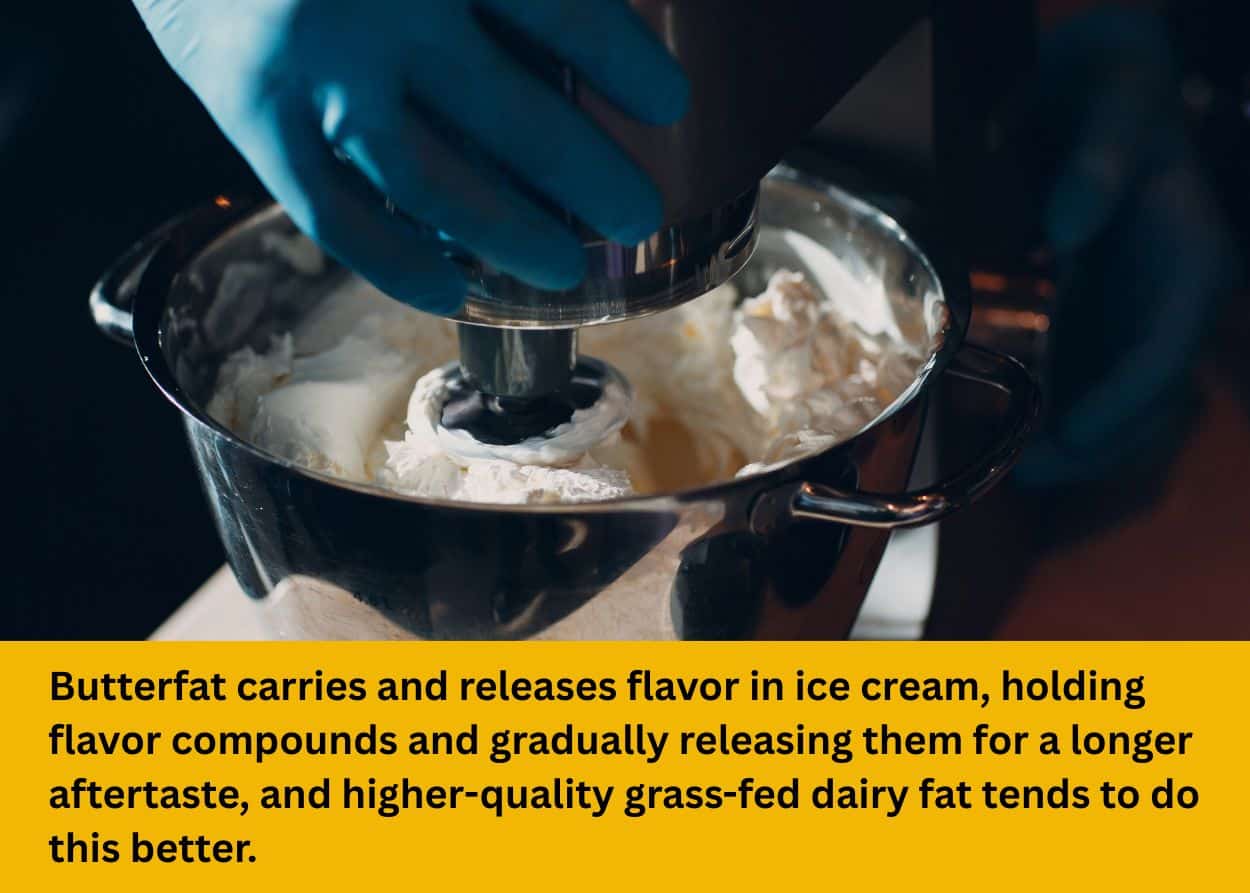
Butterfat is what carries and releases flavor in ice cream. According to food science research on fat in ice cream, fat holds onto flavor compounds during eating and releases them slowly — giving you a long, satisfying aftertaste. Higher-quality fat from grass-fed dairy does this job better.
That's the science. But you don't need a lab to prove it. Just ask anyone who's had a scoop of the real deal.
4 Nutritional Benefits of Grass-Fed Dairy in Ice Cream

There's an old saying that too much of a good thing is bad for you. So, if you're going to have something in moderation, you might as well make the best of it. Ice cream made from quality, grass-fed dairy has a stronger nutritional profile, with benefits such as:
- More omega-3 fatty acids: A large-scale national study found milk from grass-fed cows had 147% more omega-3s than conventional milk. Omega-3s support heart and brain health.
- Higher levels of CLA: The same study found grass-fed milk had 125% more conjugated linoleic acid (CLA) than conventional milk. CLA is a naturally occurring fatty acid that researchers are actively studying for its potential to reduce inflammation.
- A better omega-6 to omega-3 ratio: The improved fatty acid profile in grass-fed milk brings the omega-6/omega-3 ratio to nearly 1 to 1, compared to 5.7 to 1 in conventional whole milk. Most Americans already eat too much omega-6 from fried and processed foods. Grass-fed dairy helps balance that out.
- Higher protein content: Jersey cow milk averages around 3.7% protein compared to 3.1% in Holstein milk — a meaningful difference in the nutritional makeup of every scoop.
All of these benefits in a scoop of ice cream! It's still a treat, but a treat made from a more nutritionally complete ingredient. Though it's still not enough nutrition for a meal, the occasional ice cream dinner can still be good for the soul.
How Grass-Fed Milk Affects Ice Cream Texture and Creaminess
Nutrition and flavor matter. But texture is a big part of what makes an exceptional scoop. The science behind why is quite interesting!
Higher butterfat means creamier ice cream. Milk fat contributes to the smooth, creamy texture of ice cream. The more quality fat in the mix, the smoother the result.
Fat coats ice crystals and prevents them from growing too large — higher fat means smaller ice crystals and smoother ice cream. Cheap ice cream often compensates for lower-quality dairy with added skim milk solids and fillers. That's what creates the airy, icy texture you get in many store-bought brands.
Jersey cow milk, with its naturally elevated butterfat content, skips the need for shortcuts. Ice cream made with higher fat content is rated significantly creamier and smoother by sensory panels than lower-fat versions.

Why Ingredient Quality Matters: From the Pasture to Your Cone
Think about it this way: a building is only as strong as the foundation it’s built on. In the case of ice cream, it’s only as good as the ingredients you start with. No amount of flavoring, sweetener, or processing fixes a weak foundation. It’s the quality of the ingredients that makes a quality product.
More and more people are paying attention to where their food comes from. It’s not just a trend — it reflects a real, growing understanding that ingredient sourcing shapes the final product.
At Lapp Valley Farm, we’ve known this for a fact and have focused on quality dairy products since 1975. We raise our own Jersey cows, control our own feed, process our own dairy, and serve our own ice cream — right here in Lancaster County, PA. That's not a marketing claim. It's 50 years of doing things the right way.
The Difference Is in the Scoop
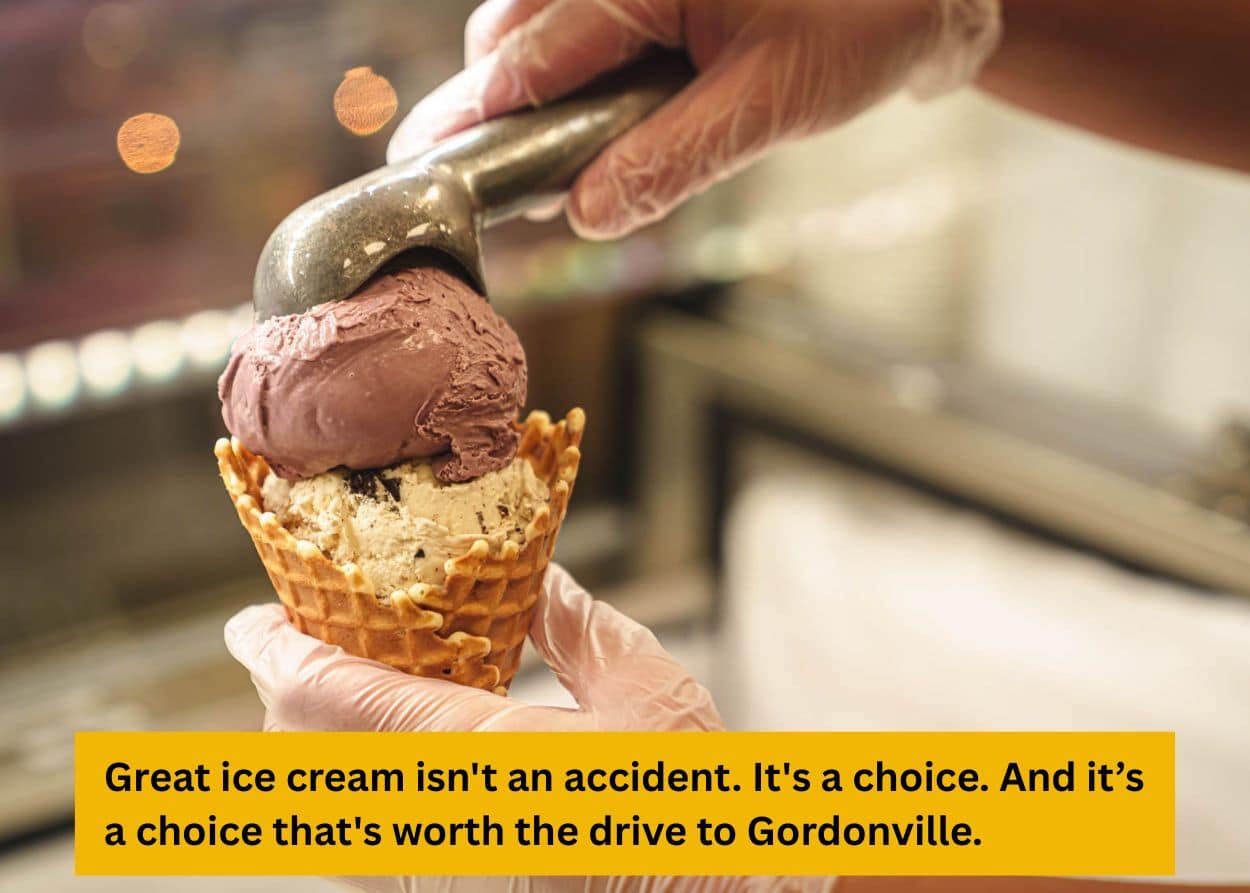
At Lapp Valley Farm, each scoop of our more than 17 flavors comes in a freshly made waffle cone. Each bite is cool, rich, and unmistakably creamy — that’s what real ice cream tastes like.
Now that you've seen what goes into every scoop, you know exactly what makes the difference. And you know where to find it.
Ready to taste it for yourself? Here's where to start:
- Visit Lapp Valley Farm: Bring the kids. They can have some fun at the indoor play area while you take your time.
- Try the ice cream: Pick a flavor, perfectly paired with a freshly made waffle cone, and pay attention to the richness. Then stick around for the cafe — burgers, fried chicken, breakfast sandwiches, and more. Or do it the other way around! It's a full meal, not just a dessert stop.
- Take a little of Lancaster County home with you: Grab a bottle of rich, fresh Jersey milk, browse the local goods in the store, and stock up on things you won't find at a regular grocery store.
Great ice cream isn't an accident. It's a choice. And it’s a choice that's worth the drive to Gordonville.
Craving more ice cream knowledge? Check out these posts next:
Does Coffee Ice Cream Have Caffeine?
Who Invented Ice Cream? The Delicious History of This Frozen Treat